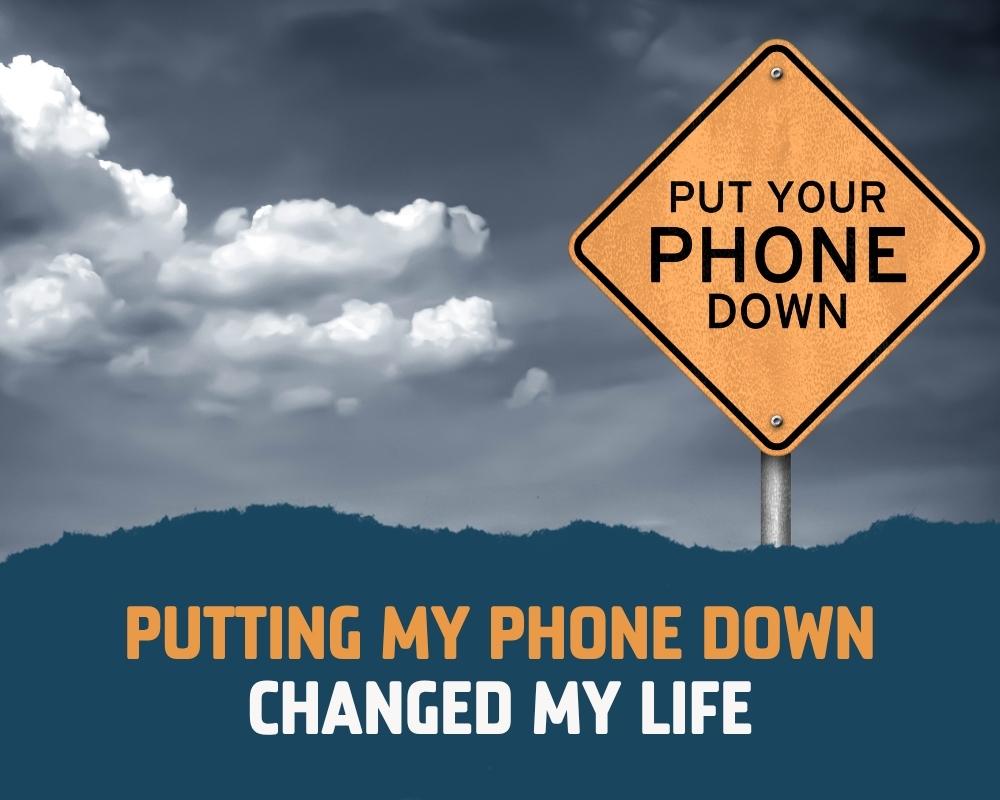
How I broke my digital addiction and found my soul again
By Selah Hirsch
I checked my phone over 200 times last Tuesday.
I know this because I finally got the courage to look at my screen time report, and the number hit me like a punch to the gut.
More than 200 times. In one day.
That’s every few minutes of my waking life. I was compulsively reaching for a device to see if someone, somewhere, needed something from me.
I wasn’t using my phone. It was using me.
The Moment I Knew I Had a Problem
The wake-up call came during our family vacation. We were at the beach—one of those perfect days with gentle waves and warm sand and kids building elaborate castles.
I was sitting in my beach chair, supposedly watching my children play, when my youngest ran up with a seashell she’d found.
“Daddy, look! It’s so pretty!”
I glanced up from my phone for approximately 2.3 seconds, said “That’s great, honey,” and immediately returned to scrolling through emails that weren’t urgent, social media posts that didn’t matter, and news articles that only increased my anxiety.
She stood there for another moment, then quietly walked away.
Later that evening, Michael showed me a photo he’d taken of that moment. There I was, hunched over my phone, while my daughter stood beside me, still holding her treasure, waiting for a mother who was physically present but emotionally absent.
The Lies I Told Myself
“I need to stay connected for work.”
“What if there’s an emergency?”
“I’m just checking quickly.”
“I can multitask—I’m still present.”
These were the lies I repeated to justify my digital addiction. But here’s the truth I was avoiding: I wasn’t checking my phone out of necessity. I was checking it out of anxiety.
The constant connectivity wasn’t making me more effective. It was making me more anxious.
Every notification triggered a stress response. Every email created a sense of urgency. Every news alert added another layer of worry to my already overloaded mind.
I was living in a perpetual state of low-grade panic, always waiting for the next thing that would demand my immediate attention.
The Failed Attempts
I tried everything. App timers that I’d override. “Do Not Disturb” modes that I’d turn off “just for a minute.” Leaving my phone in another room, only to find myself wandering over to check it every few minutes.
The digital detox weekends that lasted until Sunday afternoon. The promises to myself that I’d be more intentional, more present, more focused.
But I was treating the symptoms instead of the disease.
The problem wasn’t just my phone. It was my belief that I needed to be available to everyone, all the time. That my worth was tied to my responsiveness. That stepping away from the stream of information meant I was somehow failing at life.
The Sabbath Solution
When we started practicing Sabbath, the phone rule felt impossible.
“Turn it off completely? What if someone needs me? What if there’s an emergency? What if I miss something important?”
The anxiety was real. Physical. Overwhelming.
But Michael looked at me with that gentle firmness I’ve learned to respect and said, “Selah, what’s the worst thing that could happen if you’re unreachable for three hours?”
I started to list all the catastrophic possibilities, but as I spoke them out loud, I realized how ridiculous they sounded. The truth was, the world had functioned just fine for thousands of years without instant communication.
The First Time I Turned It Off
That first Sabbath evening, I powered down my phone reluctantly. I’m not exaggerating. I felt actual withdrawal symptoms.
The phantom vibrations. The unconscious reach for my pocket every few minutes. The anxiety that something urgent was happening and I was missing it.
But then something beautiful occurred.
About thirty minutes in, I took my first full breath in weeks. My shoulders relaxed. The constant mental chatter quieted. For the first time in months, I was fully present to the people sitting right in front of me.
I looked at my children—really looked at them—and saw things I’d been missing. The way my son’s eyes light up when he tells a story. The gentle way my daughter listens to others. The beauty of their personalities that had been hidden behind my digital fog.
What I Discovered in the Digital Darkness
Without the constant stream of information, I rediscovered something I’d forgotten: the art of being present.
Conversations deepened when I wasn’t mentally composing emails. Meals became enjoyable when I wasn’t scrolling through news. Time moved differently when I wasn’t checking what time it was every three minutes.
Most surprisingly, I became more creative.
Ideas that had been buried under the digital noise began to surface. Solutions to problems I’d been wrestling with suddenly seemed obvious. Vision for projects and relationships emerged with clarity I hadn’t experienced in years.
Turns out, my brain needed space to think.
The Weekly Reset
Now, every Friday evening, my phone goes into what we call “the digital drawer.” Not silent. Not on airplane mode. Off.
And something magical happens: I remember who I am apart from my notifications.
I’m not Selah-who-needs-to-respond-to-emails. I’m not Selah-who-must-stay-informed-about-everything. I’m not Selah-whose-worth-is-tied-to-his-availability.
I’m just Selah. Wife. Father. Daughter of God.
The anxiety still comes sometimes. The phantom vibrations haven’t completely disappeared. But now I know how to silence the noise and hear what matters most.
The Ripple Effect
Breaking my digital addiction didn’t just change my Sabbath. It transformed my entire relationship with technology.
I learned to batch my email checking instead of constantly monitoring my inbox. I discovered that most “urgent” things aren’t actually urgent. I set boundaries that protect my attention for what matters most.
Most importantly, I learned the difference between being responsive and being reactive.
Responsive means thoughtfully engaging with what truly needs attention. Reactive means compulsively responding to every ping, buzz, and notification that demands your immediate focus.
Your Digital Drawer
Maybe you’re reading this on your phone right now, unconsciously scrolling while something more important waits for your attention. Maybe you’re nodding along while simultaneously checking your notifications.
What would happen if you put it away?
Not forever. Not dramatically. Just for a few hours this Friday evening.
Create your own digital drawer. Power down completely. Notice the anxiety that rises—and then notice how it gradually fades.
See what emerges in the silence. What thoughts surface when the digital noise stops. What you notice about the people around you when you’re not simultaneously connected to everyone else.
Discover who you are when you’re not available to everyone.
This isn’t about being anti-technology. It’s about being pro-presence. It’s about choosing connection over connectivity. It’s about reclaiming your attention for what deserves it most.
Your family. Your Creator. Your own soul.
The drawer is waiting. Your phone will survive the separation. Will you?
Ready to break free from digital addiction and rediscover presence? Take the Pressing Pause Challenge this week.
Want to understand why rest is so hard in our connected culture? Read Why I Used to Feel Guilty About My Morning Coffee.
Get the complete guide to creating sacred rhythms in a digital world: Pressing Pause on Amazon.
Michael and Selah Hirsch are the founders of Start Sabbath, helping leaders, achievers, and families around the world discover the gift of sacred rest.
Get in touch!